Compare Live Mortgage & Home Equity Rates
Compare current APRs, points, fees, and estimated monthly payments from participating lenders below.
Mortgage rates
How Do No-Closing-Cost Refinances Really Work?
Quick Answer: Yes, a no-closing-cost refinance is real. Lenders cover upfront fees by offering a higher interest rate or rolling costs into the loan balance. This can reduce out-of-pocket expenses but may increase long-term costs. For borrowers with credit scores of 580–620, qualifying may be more challenging, and the trade-offs should be carefully evaluated.
Imagine being offered a deal where you can refinance your mortgage without paying upfront closing costs. Sounds like a dream, right? But is it truly as beneficial as it seems? Let’s break down how no-closing-cost refinance options work and what they mean for you.
When lenders advertise a no closing cost refinance, they don’t mean the costs disappear. Instead, the lender shifts how those costs are paid. There are two common ways they achieve this arrangement:
Option 1: Higher Interest Rate, No Upfront Costs
With this approach, the lender covers your closing costs, but in return, you agree to a higher interest rate on your mortgage. Here’s how it works:
- Interest Rate Increase: Expect rates to be 0.25% to 0.50% higher than a standard refinance.
- Long-Term Impact: You’ll pay more in interest over the life of the loan.
- Immediate Upside: You don’t need to pay anything out of pocket at closing.
Quick Example:
- Loan Amount: $300,000
- Standard Refinance Rate: 6.75% with $6,000 closing costs
- No-Cost Refinance Rate: 7.00%-7.25% with $0 closing costs
Option 2: Rolling Costs Into Your Loan Balance
The second option involves adding your closing costs to your new loan balance, essentially financing them instead of paying them upfront. Here's what it looks like:
- Equity Trade-Off: You borrow more against your home, reducing equity.
- Same Interest Rate: Your interest rate stays the same, but…
- Long-Term Costs: You’ll pay interest on the rolled-in amount over the life of your loan.
Quick Example:
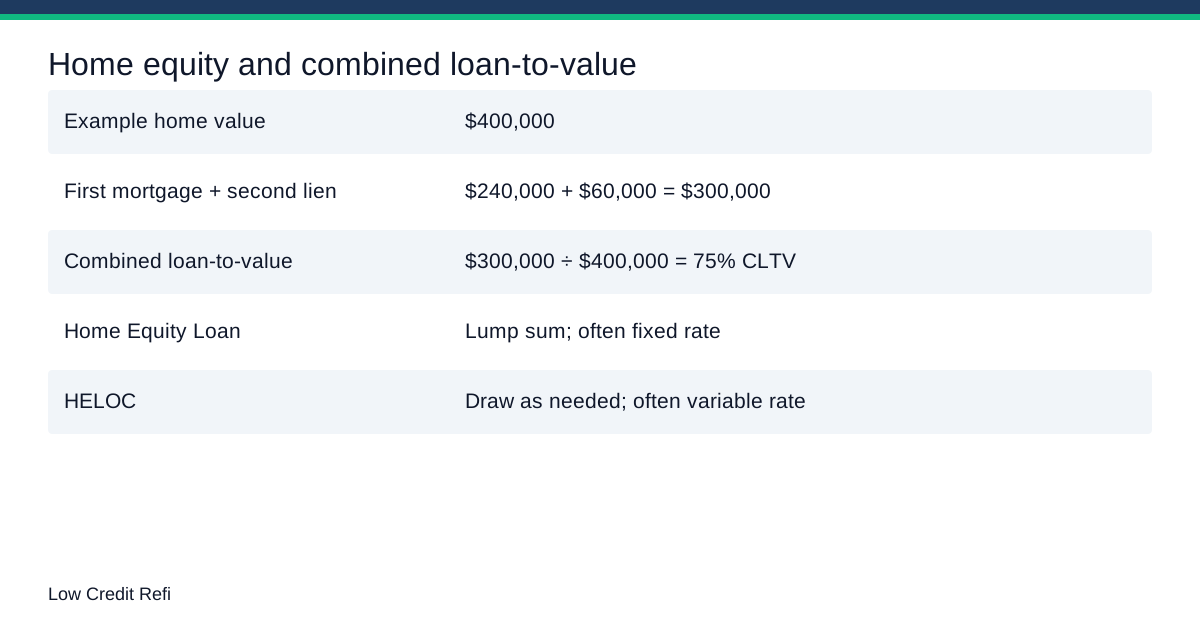
- Home Value: $400,000
- Original Loan Balance: $300,000
- Closing Costs Added: $6,000
- New Loan Balance: $306,000
The Real Cost Behind "No Cost" Refinances
Let’s break down the numbers to see the true long-term impact of these options:
This is especially relevant for those interested in lender paid closing costs.
Higher Interest Rate Option
If you choose a higher interest rate, here’s what you might pay:
- Loan Amount: $300,000
- Loan Term: 30 years
- Interest Rate Comparison:
- Monthly Difference: +$50/month
- Total Cost Over 30 Years: +$18,000 in extra interest
Rolled-In Costs Option
Now, let’s see what happens when you roll your closing costs into your loan amount:
- Loan Amount: $300,000
- Closing Costs Added: $6,000
- New Loan Balance: $306,000
- Monthly Payment (6.75%):
- Monthly Difference: +$39/month
- Total Cost Over 30 Years: +$14,040 in extra payments
When Does No-Closing-Cost Make Sense?
A zero closing cost refi isn’t always a bad idea. In some situations, it can be the smarter financial move. Here’s when it works best:
Expert Tip
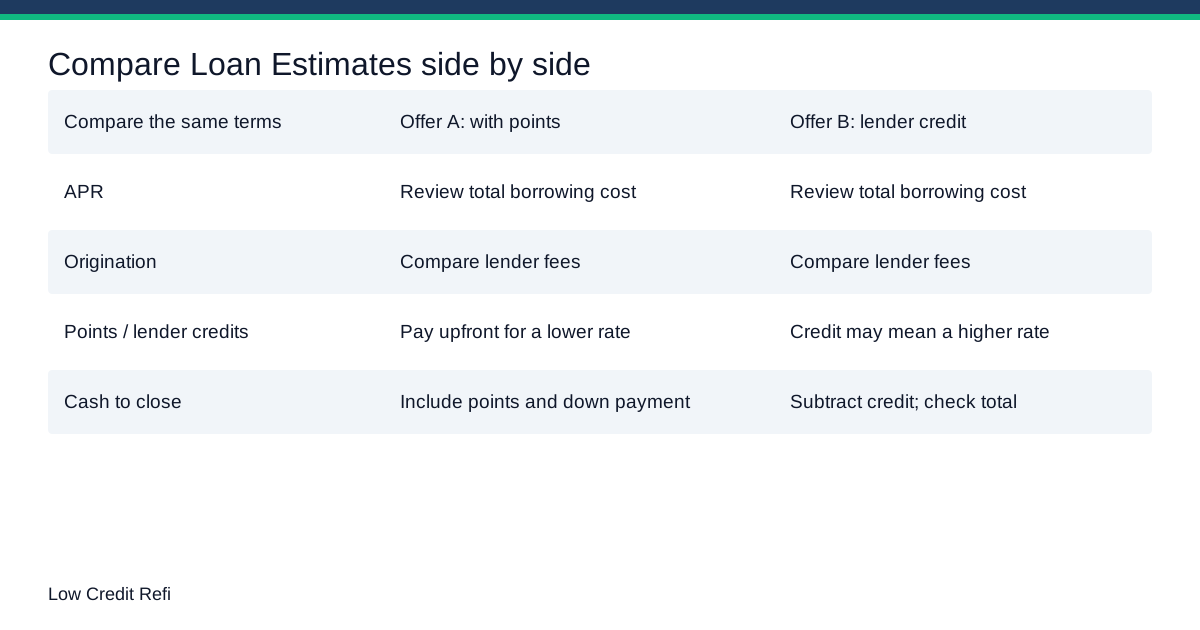
Compare Loan Estimates for the same loan type and term. Include closing costs when calculating whether refinancing saves money.
Short-Term Plans
If you plan to move or refinance again within 2-3 years, a no-closing-cost refinance can save you upfront cash without significantly impacting your finances.
- Preserve Cash: Avoid dipping into savings.
- Timeframe: The higher interest rate won’t cost you much over a short period.
Uncertain Future
If you’re unsure about your long-term plans, a no-closing-cost option offers flexibility:
- Quick Exit Strategy: No upfront costs mean you’re not tied to the loan for long.
- Financial Freedom: Keep your options open for future changes.
Tight Finances
When you don’t have cash on hand to cover closing costs, a refinance without closing costs can help you move forward without financial strain.
- Emergency Reserve: Protect your savings for unexpected expenses.
- Rate Flexibility: Refinance again later when rates drop.
When is Standard Refinancing Worth It?
There are situations where paying upfront closing costs is the best choice, especially if you’re planning to stay in your home for the long haul.
Long-Term Commitment
If you plan to stay in your home for 5+ years, paying closing costs upfront can save you a significant amount in interest payments over time.
- Lower Rate Advantage: A lower interest rate reduces your monthly payments.
- Better Equity Growth: A smaller loan balance builds equity faster.
Pro Tip:
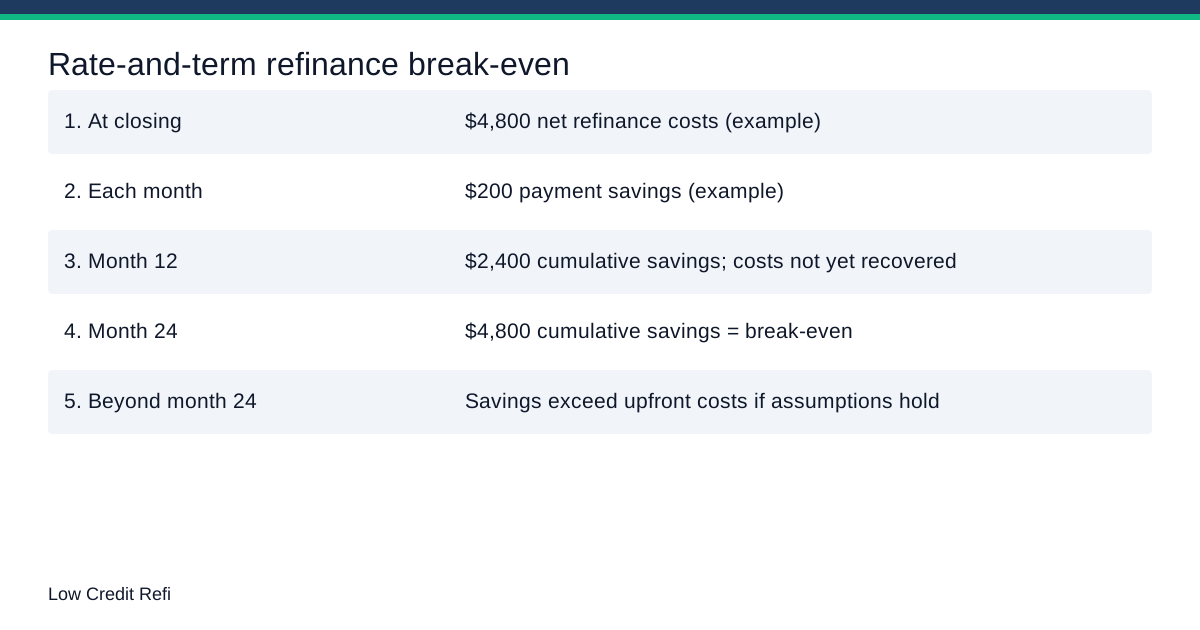
Run a break-even analysis to determine how long it will take to recover the upfront costs. If you’ll break even within a few years, paying the closing costs upfront might be the better option.No-Cost Refinance Checklist
Before signing any agreement, ask your lender these crucial questions to ensure you’re getting a deal that aligns with your goals:
1 What’s the interest rate difference between no-cost and standard refinancing? 2 Can closing costs be rolled into the loan balance instead of being covered by the lender? 3 What exactly is included in the no-cost option (e.g., prepaid items, third-party fees)? 4 What’s the break-even point for the no-cost option? 5 Are there any hidden fees or costs not disclosed upfront?
Red Flags to Watch Out For
When exploring no-closing-cost refinance options, be cautious of these warning signs:
- A rate increase of more than 0.50% compared to standard refinancing options.
- Hidden fees buried in the fine print.
- Vague answers or lack of transparency from the lender.
- High-pressure tactics to make a quick decision.
Takeaway Tips
- "No-cost" doesn’t mean free. Always calculate the long-term costs to ensure you’re making the best decision.
- Consider your personal timeline and financial flexibility when choosing between a no-closing-cost refinance and a standard option.
- Shop around, ask questions, and compare offers from multiple lenders to get the most competitive deal.
By understanding the trade-offs of a no closing cost refinance, you can make an informed decision that balances your short-term needs with your long-term financial goals. Additionally, considering a no closing cost refinance can be a strategic move depending on your financial situation. Remember, a no closing cost refinance can offer immediate relief, but it's crucial to evaluate its impact on your overall financial health.
Key Takeaways
- Understanding your options for no closing cost refinance is the first step
- Explore related options like zero closing cost refi
- Explore related options like refinance without closing costs
- Getting pre-qualified helps you understand your real options